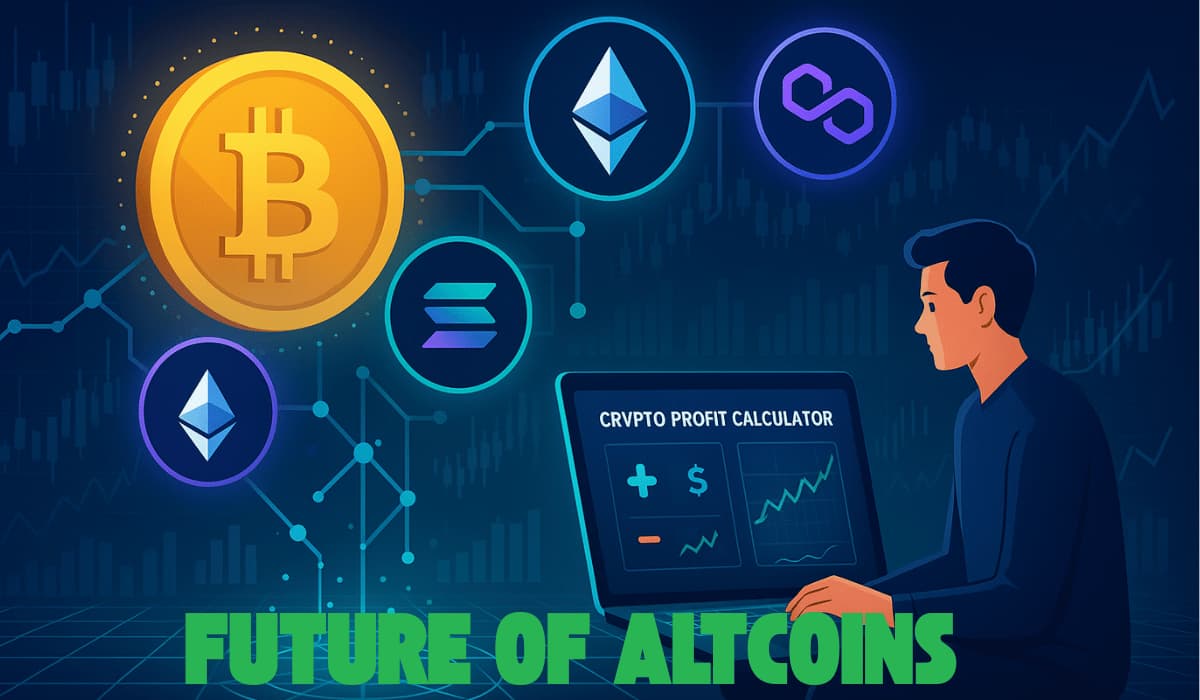
Altcoins always create some drama. One day, they look like the future of finance. The next day, the price crashes and everyone vanishes from Telegram. You must have seen this too. But the question still stands, are these altcoins actually doing anything useful or just riding the hype cycle every few months?
Let me break it down for you in a practical way. You will also get some useful tools and examples to understand how altcoins really work today. This post is not just for experts. Even if you are just starting to explore crypto, you will find something useful here.
What exactly are Altcoins?
Altcoins are basically any cryptocurrency or token that is not Bitcoin. That’s it. This includes big names like Ethereum, Solana, Polygon, and even small coins like Shiba Inu or Floki. Some are made for serious use cases. Others are memes, nothing more. Many projects come and go, but a few stay and change the game.
You already know Bitcoin was the first. Altcoins came later as experiments. Some claimed faster speed, some lower fees, and some focused on privacy. And some were just created to raise money and disappear. The point is, all of them wanted to improve something Bitcoin could not do easily.
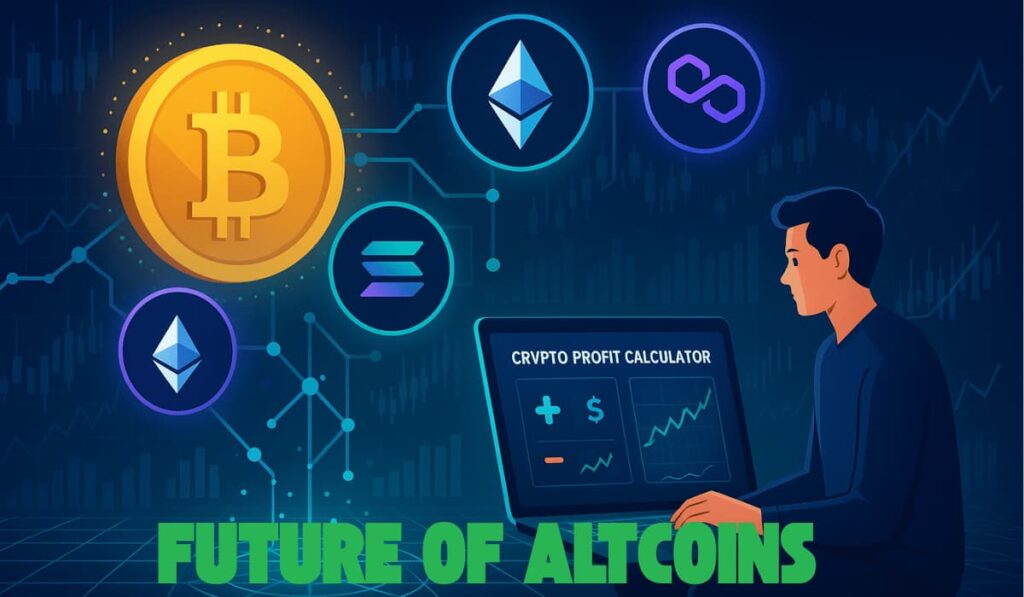
Why do people invest in Altcoins?
There are many reasons, but let me give you the common ones:
- People want higher returns than Bitcoin
- New coins look affordable
- Coins promise big tech upgrades
- Hype on YouTube, Telegram, and Twitter
- Friends said, “Buy this before it moons.”
- Influencers and celebrities talk about it
- Projects offer airdrops or early bonuses
But wait, this matters a lot: not all altcoins are useful. You may think a coin at 50 paise is a better entry, but the thing is, price alone means nothing. You should always check the total supply, utility, and demand. Even coins that seem cheap might be overvalued based on the tokenomics.
Coins that actually did something
You must have heard about Ethereum. It’s not just a coin, it’s a whole platform. People use it to build apps, create NFTs, and run smart contracts. This changed the crypto scene.
Then came Polygon. It reduced Ethereum’s high gas fees. Projects like Aave, Uniswap, and QuickSwap use Polygon now. Many gaming projects and NFT launches now prefer Polygon because of its speed and cost efficiency.
Even Solana came into the picture for speed. Some NFT projects and games use it because it’s fast and low-cost. Avalanche, Cosmos, and Cardano also joined the list. They offered different versions of scalability and features.
So the point is simple here: not all altcoins are useless. Some are really building solid things. But the competition is huge, and only a few actually survive in the long run.
Altcoin Graveyard is real
You may laugh, but it actually works this way. For every one good altcoin, there are hundreds that fail. You can check CoinMarketCap and scroll down. Most of those coins are dead. Either nobody uses them or the developers quit.
Some coins got listed with big promises, then stopped updates. Their Telegram channels were deleted, their websites expired, and no team member could be found. These are signs of exit scams or abandoned projects. You should also know this — rug pulls are common. One small mistake many people make is investing without reading the whitepaper or checking the community. If there are no GitHub updates, no team details, and no Telegram activity, just avoid it.
Use tools to calculate your risk
Don’t skip this step. You can’t just throw ₹500 into any coin and pray. You need to plan. What I do is this — I use a crypto profit calculator to check how much I’ll get if the price hits certain levels.
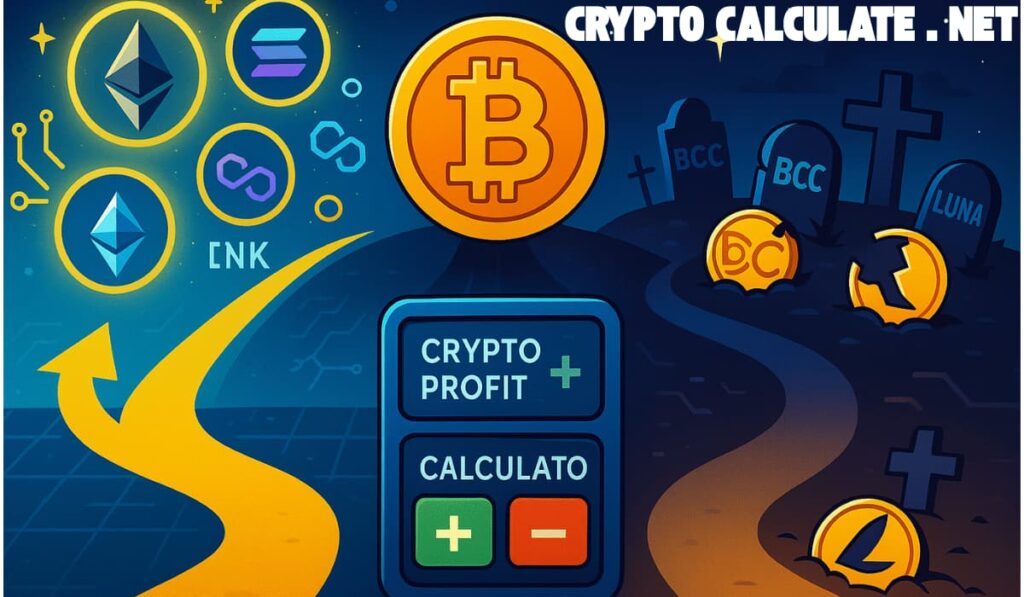
It shows:
- How much profit or loss
- Entry and exit points
- Percentage gain or loss based on price movements
You can try this first with your past trades, too. It saved me a lot of regret. It is also useful during tax season when you need to calculate capital gains.
The role of hype and community
Now here’s the thing — altcoins move fast because of hype. You must have noticed this during bull runs. Influencers tweet. Telegram admins post. Suddenly, everyone starts buying the same coin. It pumps 200% and then crashes.
But it’s not always like that. Some communities actually build long-term value. You can check Reddit or Discord to see if people are asking real questions or just posting memes. Look for serious discussions, developer AMAs, roadmap progress, and testnet launches. Those are good signs.
Communities that just post price targets like “100X soon” or “next Shiba” usually vanish after two weeks.
Regulation is coming
Let’s be real, the government is not sleeping. SEBI in India and SEC in the US are already looking into altcoins. If you’re holding coins that are declared as securities, you might see them getting delisted. Binance and Coinbase already had to delist some tokens recently due to legal issues.
The reason is quite clear — scam coins ruined the image of crypto. Now, serious laws are coming. So you should only hold coins with good tech and transparent founders. Always check if the team is public, whether they have proper KYC, and if the project follows local laws.
Types of Altcoins to know about
Here’s a quick list:
| Type | Example | Purpose |
|---|---|---|
| Smart Contract | Ethereum | Build apps, DeFi, NFTs |
| Privacy | Monero | Anonymous transactions |
| Utility Tokens | BNB, MATIC | Used on an exchange or a network |
| Meme Coins | Dogecoin | Community-driven, humor |
| Stablecoins | USDT, USDC | Pegged to the dollar |
| Governance Tokens | UNI, AAVE | Vote on protocol changes |
You can even ask a friend to check the use case of any token before buying. Don’t just go by logo or price. Look at what the token is doing inside the ecosystem.
My opinion on what to do
To be honest, I keep 70% in Bitcoin and Ethereum. Rest, I rotate in altcoins like MATIC, LINK, and SOL — but only after checking fundamentals.
You may not need this always, but if you trade daily, then tracking charts and project updates is important. Even one small tweet can change the game. Sometimes I follow founders on X (Twitter) to get early signals about development or partnerships.
Also, use CoinGecko and Token Terminal to check network usage and revenue. These numbers help more than just following price candles.
Stay away from these mistakes
- Don’t fall for fake giveaways
- Don’t invest without checking the supply and roadmap
- Avoid low-volume coins
- Don’t buy coins just because a celebrity tweeted
- Don’t use unknown wallets or exchanges for new tokens
- Always double-check the smart contract address
Sometimes this fails too; even good coins can drop 80% in a bear market. That’s why I said this before: always calculate risk.
So finally
Altcoins are not good or bad. They are just tools. What you need to understand is this: your profit or loss depends on when you enter, what you pick, and how much research you do.
Bitcoin will stay. Ethereum will likely evolve more. Some altcoins will grow big, but most will vanish. The cycle will repeat, new coins will come, and only those with real use cases will survive.
So next time someone says, “bro, buy this new coin”, just ask them to show the roadmap and utility. If they say “just trust me”, that’s your signal to run.
Quick Checklist Before Buying Any Altcoin
- Did you read the whitepaper?
- Is the project active on GitHub or X?
- Do they have a community on Discord or Telegram?
- Are you using a crypto profit calculator before investing?
- Is the coin listed on major exchanges?
- Is the team doxxed and public?
- Is the roadmap realistic and updated?
- Does the coin solve a real problem?
That’s how it works. Don’t gamble, calculate. And don’t invest just for FOMO.