

Crypto taxes become confusing the moment you look at rules from different countries. India follows a flat system. The United States depends on holding periods.
The United Kingdom uses a flexible allowance. You understand each system only when you separate gains from income and then apply the rule of that country.
A trader may earn the same profit in three regions yet end with three very different tax bills. That is why a clear guide helps you understand how the system works before filing time arrives.
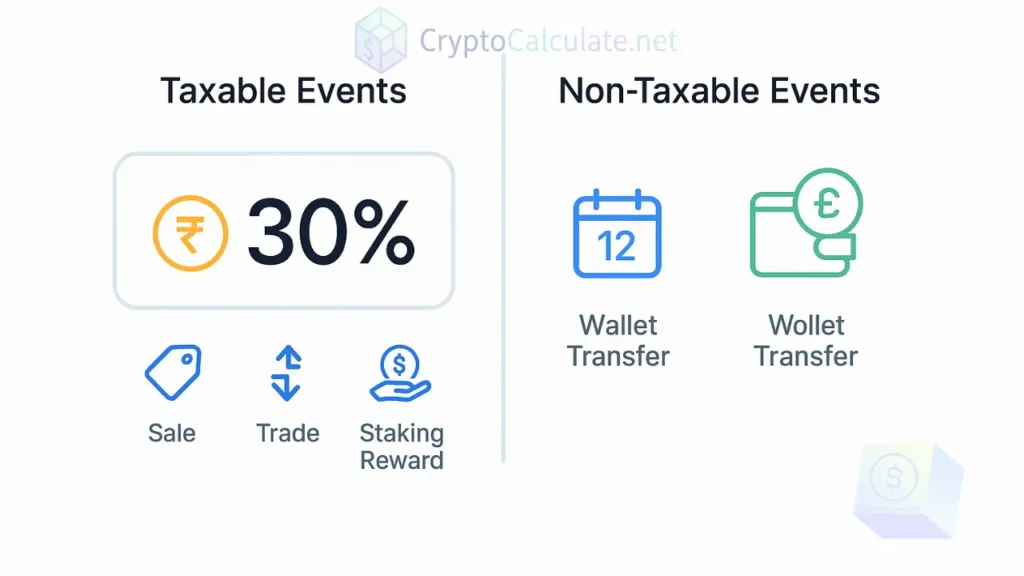
Crypto tax rules follow a simple logic. You either receive crypto as income or you dispose of crypto through a sale or trade. Once this idea settles in your mind, the rest becomes much easier to calculate.
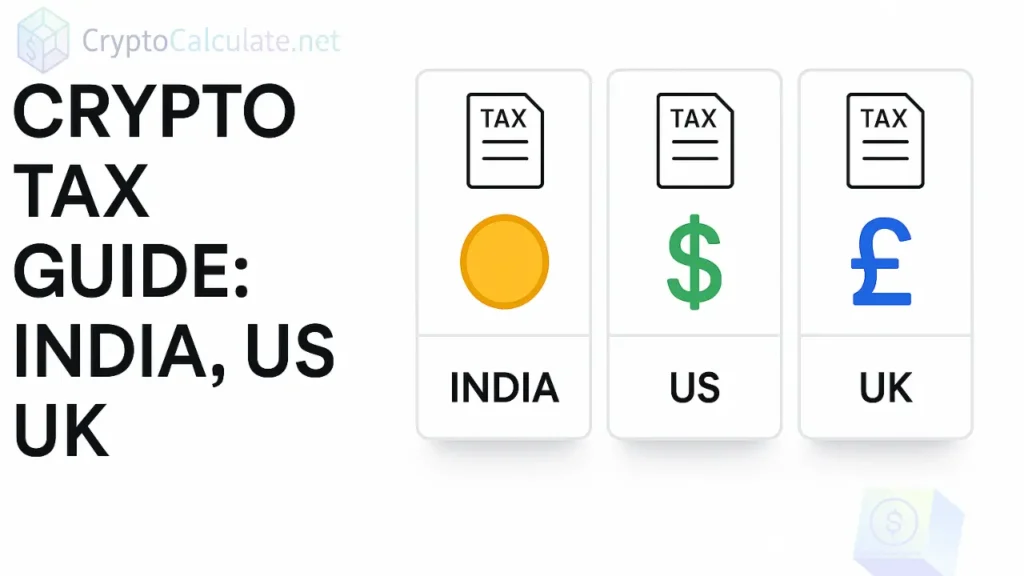
How Crypto Taxes Work
A crypto transaction usually falls under one of two main tax categories.
This keeps your records structured and prevents mixing buy events with income events.
- Capital gains from selling, trading, or converting crypto
- Income from mining, staking, airdrops, or salaries paid in crypto
Capital gains appear only when you dispose of an asset. Income appears when you receive crypto without buying it. You need both parts to complete your final tax report each year.
You can cross check your numbers using the Crypto Profit Calculator on CryptoCalculate.net before filing your return.
India: Flat Tax Model With No Adjustments
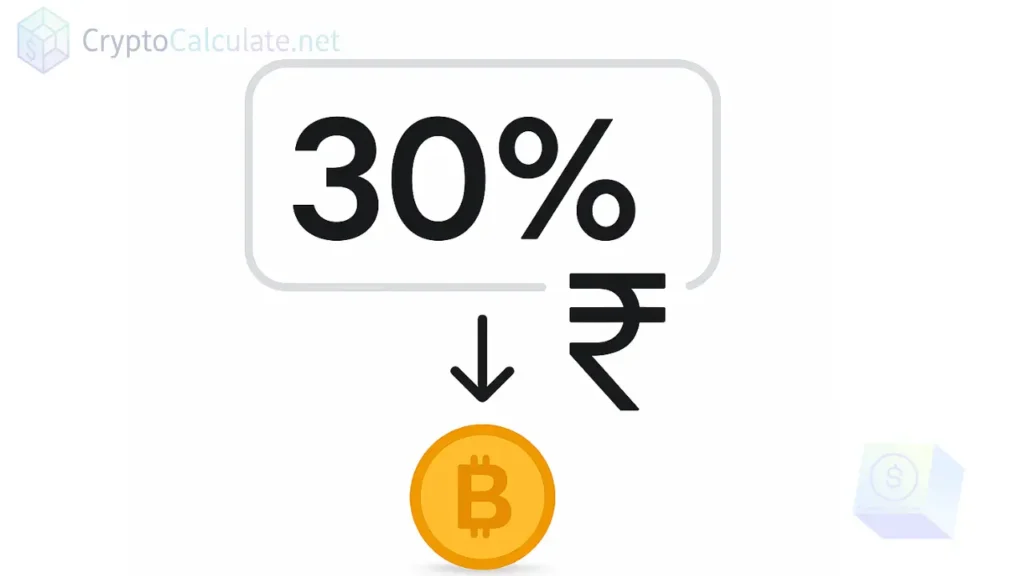
India applies one of the strictest crypto tax structures in the world. The system does not reward long holding. It does not reduce tax when you record a loss.
It simply applies a flat rate to every gain and asks you to report it as a separate category. This makes the rules predictable, although not very flexible.
India Tax Rules
- Flat 30 percent tax on realized gains
- No deduction for losses
- No carry forward allowed
- One percent TDS on every sell above ₹10,000
- Income from staking, mining, and airdrops taxed as income
Example From India
A trader buys BTC at ₹5,00,000 and sells it at ₹6,00,000.
Gain = ₹1,00,000
Tax at 30 percent = ₹30,000
TDS at 1 percent = ₹6,000
A later loss in another coin does not reduce this tax. This creates the biggest shock for new Indian traders.
India Filing Tip
Most Indian users rely on ClearTax or Quicko. These tools accept CSV files from WazirX, CoinDCX, and other exchanges. The system calculates gains, TDS, and income entries automatically.
United States: Property Rules With Holding Periods
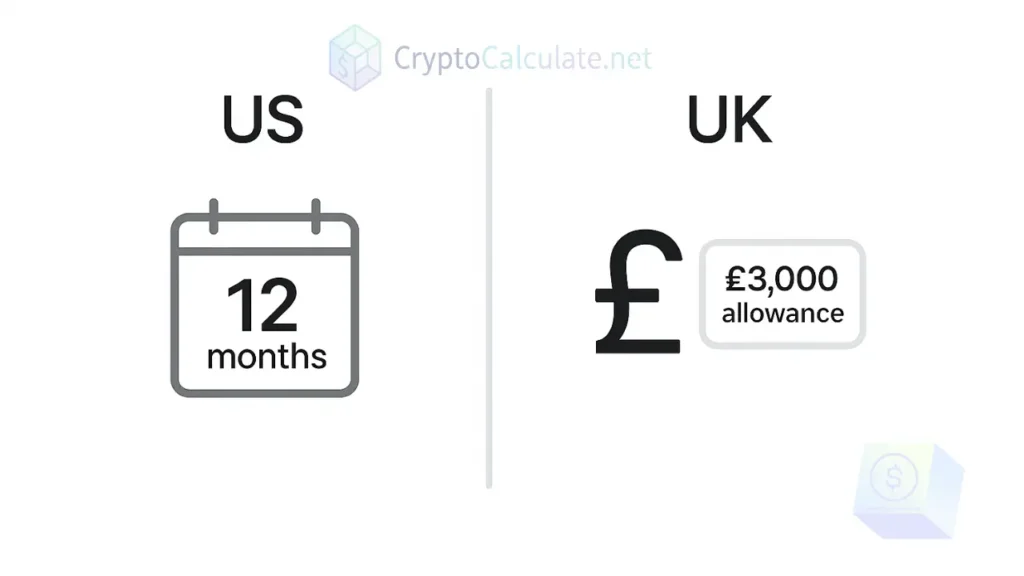
The United States treats crypto as property. Your tax rate depends on the time you held the asset. A short term sale falls into your normal income bracket.
A long term sale gets a lower tax rate. This structure rewards patient investors who keep assets for longer periods.
US Tax Rules
- Crypto is property under IRS rules
- Short term gains under 12 months taxed as normal income
- Long term gains above 12 months taxed at lower fixed rates
- Staking, mining, and airdrop rewards taxed as income
- Losses can offset gains and up to $3,000 of income
Example From the US
A user buys ETH at $1,000 and sells at $1,400 after 15 months.
Long term gain = $400
Tax at 15 percent = $60
A staking reward worth $300 becomes income for that year.
US Filing Tip
Form 8949 records each trade. Schedule D collects the totals. Tools like CoinTracker and Koinly help because they sync exchange and wallet activity automatically.
United Kingdom: Allowance System With FIFO Rules
The UK treats crypto as property and applies capital gains tax. A tax free allowance lowers the burden for small traders. FIFO rules apply when you calculate cost basis, which means older coins get counted first during a sale.
UK Tax Rules
- Capital gains tax applies to selling crypto
- First £3,000 of gains stay exempt under the current limit
- Remaining gains taxed at 10 percent or 20 percent
- Income from staking, mining, and airdrops taxed separately
- Network fees and gas fees can reduce taxable gain
- FIFO rules used for calculating cost basis
Example From the UK
A trader earns £5,000 total gains in the year.
£3,000 remains exempt
Remaining £2,000 taxed at 10 percent = £200
Network fees of £150 reduce the taxable gain to £1,850.
UK Filing Tip
HMRC expects item wise records. Koinly, CoinTracker, or a personal spreadsheet helps because each trade needs the date, quantity, and fee for FIFO calculations.
Why Tax Bills Differ Across Countries
- A trader in India pays a flat percentage without any relief.
- A long term holder in the US pays a lower percentage because of timing.
- A trader in the UK gets an allowance before any tax begins.
Three traders with the same crypto profit may end up with very different net amounts. The difference comes from structure, not from the profit amount.
Comparison Table
| Feature | India | US | UK |
|---|---|---|---|
| Tax Type | Flat 30 percent | Short term and long term | Capital gains with allowance |
| Loss Deduction | No | Yes | Yes |
| Staking Income | Taxed as income | Taxed as income | Taxed as income |
| TDS | One percent | No | No |
| Holding Period Impact | None | Very important | None |
| Reporting | CSV plus manual entry | IRS forms | Self Assessment |
Tools That Help With Crypto Tax Calculation
Several tools simplify the process when you need to review hundreds of trades or multiple exchanges. A clean CSV export makes these tools accurate.
- Koinly
- CoinTracker
- ClearTax Crypto
- ZenLedger
- CryptoTaxCalculator
- Quicko
Exporting your data every quarter helps because some exchanges hide older trades after a year.
Mistakes That Create Tax Trouble
A few basic errors cause most tax issues.
Many of these problems come from missing data, not from difficult rules.
- Some traders forget to download yearly CSV files
- Small airdrop or staking rewards are sometimes ignored
- Personal wallet transfers are accidentally marked as taxable
- TDS entries in India are sometimes skipped
- Unrealized gains are sometimes treated as final profit
- Fees are sometimes missing from reports
One careful review usually removes these problems before filing.
FAQs
Do I pay tax while holding crypto
No. A sale or income event creates the tax. Holding does not create a tax event.
Can I deduct losses in India
No. India does not allow loss adjustment.
Are gifts taxable
Yes. India taxes gifts above ₹50,000. The US and UK may treat them as income based on value.
Do I need to report small gains
Yes. India taxes all gains. The UK has a limit. The US requires full reporting.
How do staking rewards affect tax
Staking rewards count as income on the day received. A later sale creates a separate gain or loss.
Is crypto to crypto trading taxable
Yes. All three regions treat a swap as a taxable disposal.
Final Checklist
- Export trade history from every exchange
- Maintain clean records of price, date, quantity, and fee
- Separate income events from sale events
- Track realized and unrealized gains
- Review tax rules each year
- Check TDS entries for Indian trades
- Keep reports from staking and mining
- Maintain one file per exchange
- Use a tax tool for final cost basis
A clear understanding of each country’s system gives you confidence while filing Tax. The structure differs across India, the United States, and the United Kingdom, yet the idea behind all three remains steady. You sell crypto or you receive crypto, and both events carry separate tax results. A clean set of records keeps your portfolio ready for any audit or filing requirement.